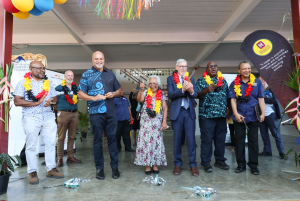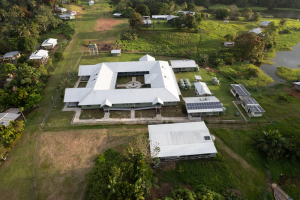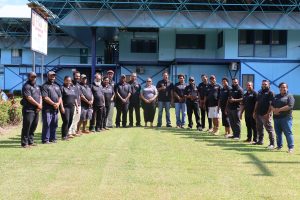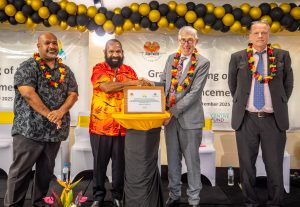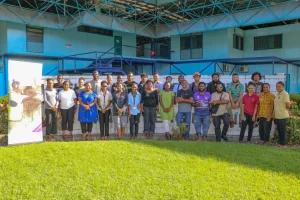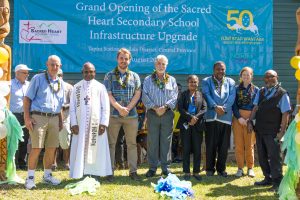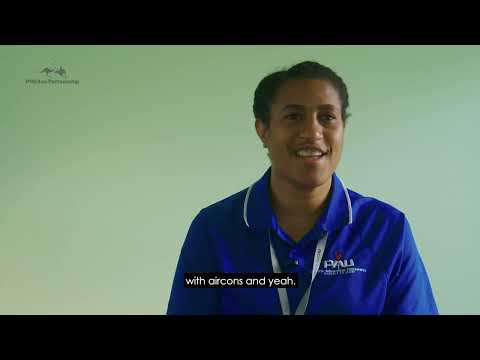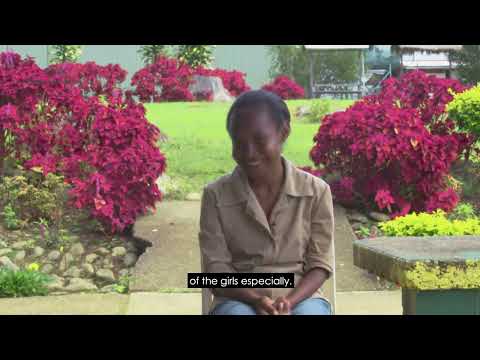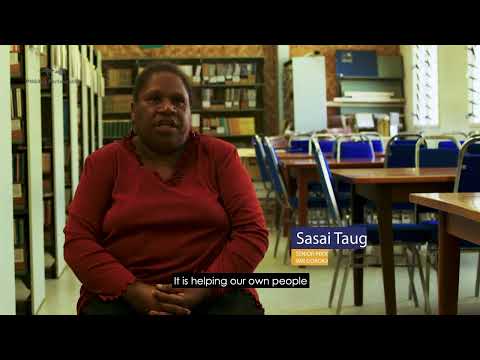
The Papua New Guinea-Australia Partnership continues to deliver lasting educational opportunities in Goilala District, with a PGK 11.2 million Incentive Fund grant supporting the expansion and upgrade of Sacred Heart Secondary School in Tapini.
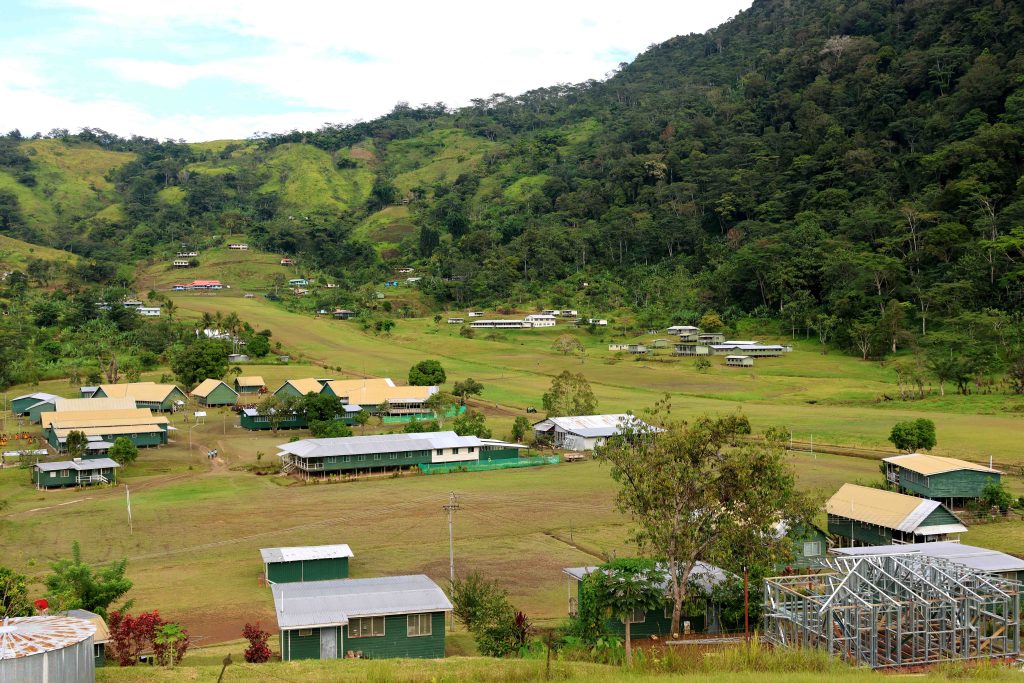
This latest grant, awarded under the Incentive Fund’s fifth phase, has delivered purpose-built classrooms for Grades 11 and 12, 48 new dormitory spaces for female students, teachers’ housing, an extended administration building, new female ablution blocks, and a school clinic. Together, these investments are creating a safe, inclusive and modern learning environment where students can thrive.
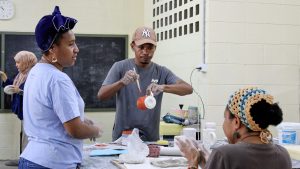
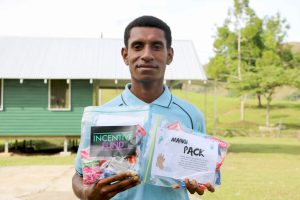
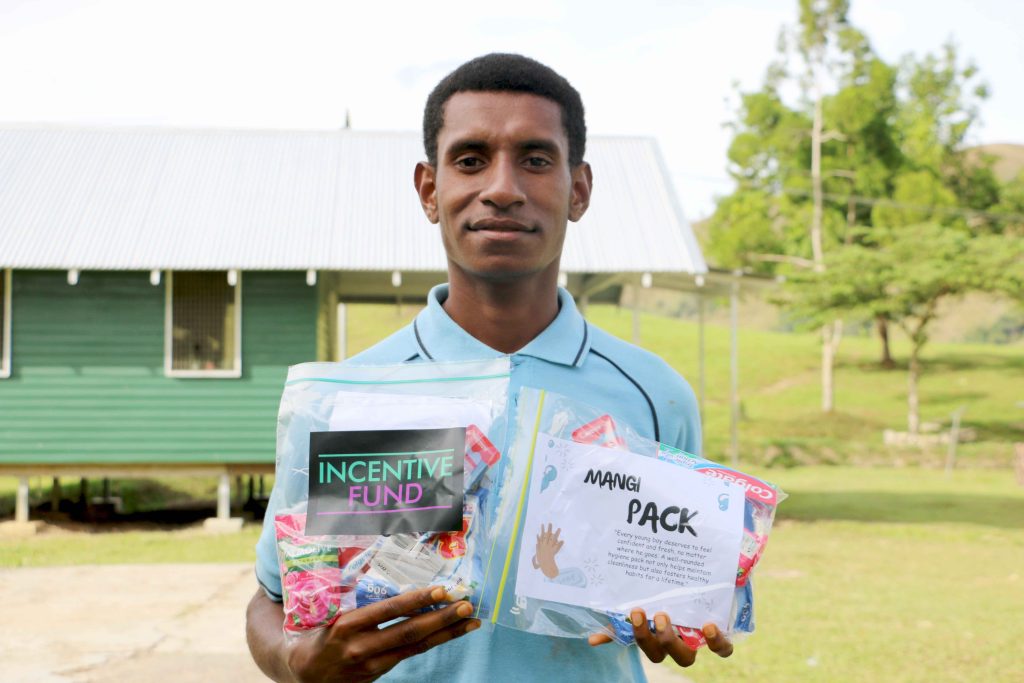
As part of the grant’s gender equality, disability and social inclusion (GEDSI) component, all students have received sanitary and stationery packs. Teachers and students also participated in GEDSI and safeguarding training to promote mutual respect and appropriate conduct across the school community.
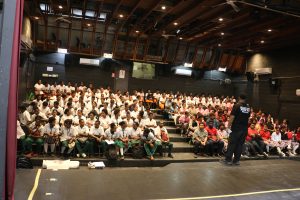
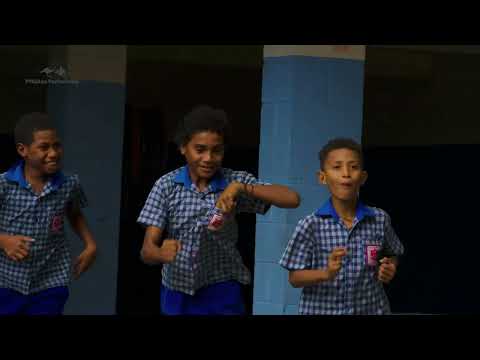
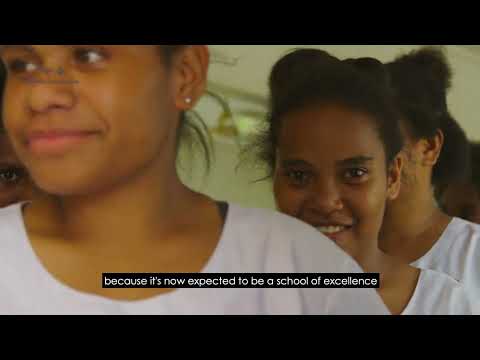
Today, Sacred Heart Secondary School is home to more than 20 teachers and around 500 students, including more than 200 girls, and is recognised as one of the top-performing schools in Central Province and across Papua New Guinea. Since 2021, the school has maintained a Mean Rating Index (MRI) of 75, second only to Sogeri National High School. In 2025, 10 students were selected to pursue further studies in different colleges around the country – a significant number for a rural school.
“My hope is that these children will grow up to be informed leaders, not just in their communities but in a broader context as well,” said Father Brian Cahill, the School Board Chairman.
A partnership built over two decades
The latest Incentive Fund grant builds on almost 20 years of collaboration between the Goilala community and Australia.
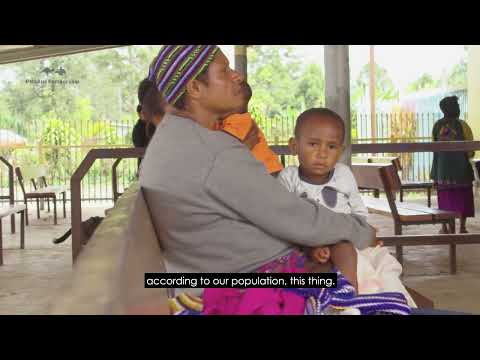
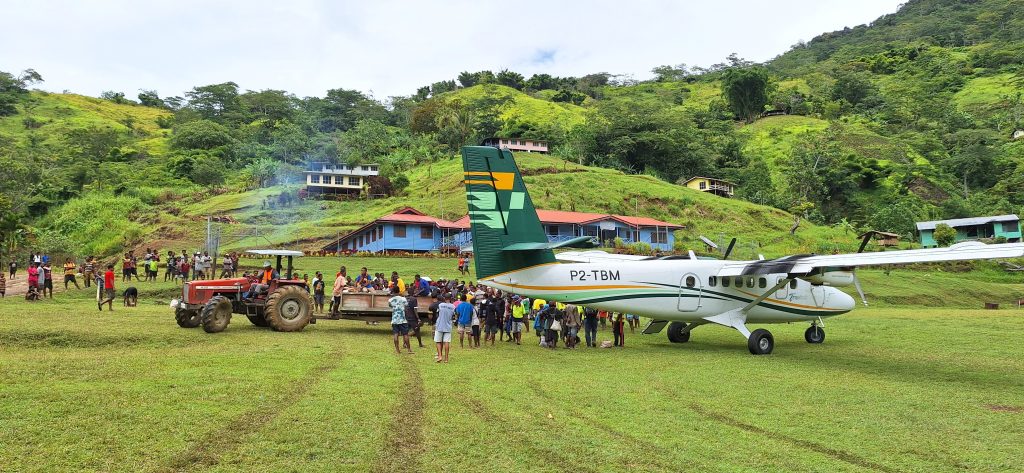
Tapini is a short 30-minute flight from Port Moresby and is the administrative heart of Goilala District. It hosts essential services including a health centre, community school, police station, courthouse and Catholic church, and is best known as the home of Sacred Heart Secondary School – the only secondary school serving the district’s remote population.
In the 1960s and 1970s, Tapini thrived. A micro-hydropower system built in 1964 and a road connection established in the late 1970s supported local government operations and community development. But progress faltered in the decades that followed. Landslides destroyed the road, the hydropower system failed and the township became increasingly isolated. Without reliable telecommunications or infrastructure, Tapini’s economy and education system declined sharply.
By the late 1990s, the community faced the daunting task of rebuilding almost from scratch. It was during this time that a partnership between Papua New Guinea and Australia, through the Incentive Fund, became a lifeline for Tapini’s renewal.
In 2005, through the Diocese of Bereina, the people of Tapini secured their first Incentive Fund grant of PGK 7.5 million to implement the Tapini Integrated Development Project.
The project delivered wide-reaching benefits: the hydropower system was re-established, the water supply was upgraded, the health centre and community school were electrified, a new tractor was purchased for the school and improved cooking facilities were built for the school mess. These developments not only revitalised basic services but also breathed new life into education, providing students with an environment conducive to learning and growth.
With improved facilities, community leaders and teachers worked together to strengthen Sacred Heart Secondary School and ensure education was accessible for all, and particularly for girls. In the early 2000s, fewer than 20 girls were enrolled. Ongoing community support and awareness of the value of girls’ education have since driven steady increases in enrolment.
The school, in particular, became a source of pride for the community.
“Despite what people say about Goilala, Sacred Heart Secondary School doesn’t have a fence around it – and many people are surprised by this,” said a community elder.
In 2017, further Australian support funded a new ICT laboratory, introducing digital learning to Tapini for the first time. Students who once had little exposure to technology were suddenly connected to the wider world, opening new pathways to knowledge and opportunity.
A lasting impact
From the early restoration of essential services in the early 2000s to the modernisation of classrooms and dormitories in 2025, Australia’s support through the Incentive Fund has helped Tapini reclaim its place as a thriving centre of learning and opportunity.