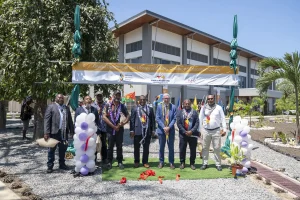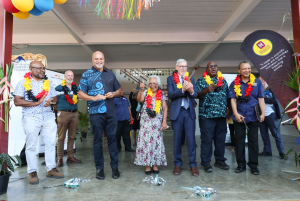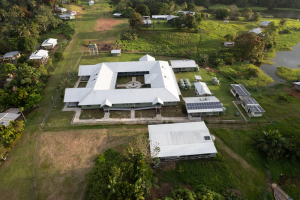
The upgrade of Kapuna Hospital health facilities has seen an increase in maternal and neonatal care as more mothers and their families access better healthcare.
Kapuna Health Centre was constructed in 1949 and has been consistently staffed with qualified medical personnel and provides healthcare services to over 35,000 individuals in the catchment of the Kikori and Purari Delta of the Gulf province.
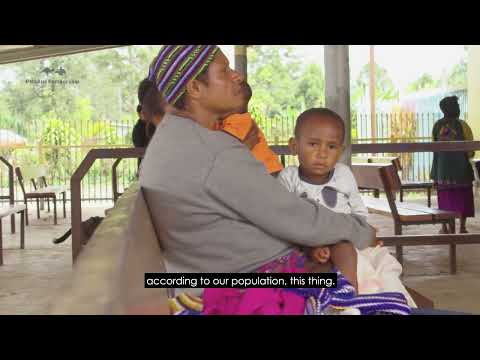
Due to remoteness, most patients must navigate up and down the Kikori River in a traditional dugout canoe, a journey that can last a whole week to reach the hospital. Those who can afford a motorized dinghy, however, can make the trip in a day. This challenging journey often results in many women not accessing healthcare when they get pregnant. Most of them give birth in their villages increasing the risk of maternal and infant mortality.
In 2018, the Gulf Christian Health Services secured a PGK 10 million Australian Incentive Fund grant for the hospital upgrade. The upgrade included new and renovated emergency, outpatient, dentistry, physiotherapy wards, operating theatre and intensive care rooms, birthing suites, maternity, obstetrics and gynaecology facilities, and designated areas for a range of administrative support and patient services.
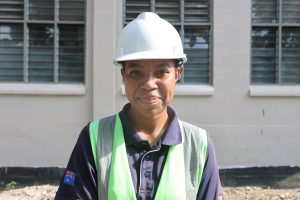
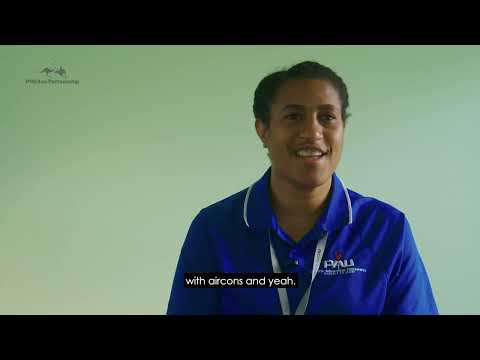
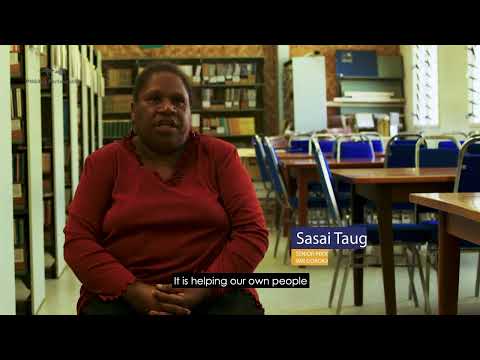
Mrs. Kaiki Komal is the senior midwife at the obstetrics and gynaecology ward and has seen the difference that the upgrade has made at the hospital.
“In their old hospital, we didn’t have many women come in to have their babies. Compared to now, we are getting mothers from East Kikori right to the mouth of the Kikori River and from as far as the Ihu local level government,” says Sr. Komal.
She said they have seen an increase in the number of supervised births and neonatal healthcare since the upgrade. The hospital provides inpatient care to mothers who are 6-9 months pregnant to stay at the hospital until they deliver their babies.
All wards now have access to toilets, showers and hand basins allowing patients easy access to these amenities.
Sr. Komal is very happy with the hospital because the old one did not have showers and toilets which meant that mothers had to go out and wash in the river and access the toilets that are situated outside of the main hospital grounds.
With solar power and batteries, the hospital can now provide 24-hour care to patients and attend to emergency cases.